Review
By Liam Hughes | 08/04/2026
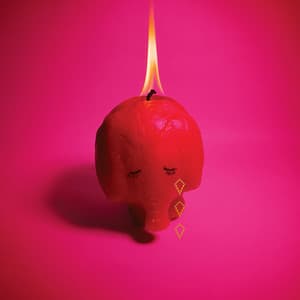
In an era when most veteran indie bands have long since settled into comfortable patterns, Arcade Fire's seventh studio album, *Pink Elephant*, arrives like a magnificent beast crashing through the undergrowth—impossible to ignore and thrilling to behold. Five years after the divisive *Everything Now*, the Montreal collective has crafted something that feels both quintessentially Arcade Fire and daringly fresh. Gone are the disco affectations and ironic distance that marked their previous effort. Instead, *Pink Elephant* embraces a lush, orchestral sound that recalls their *Funeral* glory days while pushing decidedly forward. The album opens with "Transparent Creatures," a gradually building anthem that erupts into a crescendo of strings, horns and Win Butler's impassioned vocals. It's a statement of intent—Arcade Fire is back, and they mean business. What follows is their most cohesive collection since *The Suburbs*, balancing stadium-ready choruses with moments of startling intimacy. Régine Chassagne takes centre stage on the haunting "Cathedral Bells," her crystalline voice floating over rippling piano and skittering electronic percussion. It's a testament to the band's renewed collaborative spirit, with each member contributing vital textures to the sonic tapestry. Thematically, *Pink Elephant* addresses the proverbial pachyderm in the room—our collective inability to confront uncomfortable truths. Butler and company explore themes of environmental collapse, digital alienation, and political polarisation, yet somehow manage to sound more hopeful than hectoring. The title track, with its carnival-esque arrangement and chanted refrain, transforms anxiety into catharsis through sheer musical exuberance. The album's centrepiece, "Northern Lights," is perhaps the most affecting thing they've recorded in a decade—a seven-minute odyssey that begins as a sparse folk ballad before expanding into a kaleidoscopic jam that recalls Talking Heads at their most transcendent. Richard Reed Parry's bass work here is nothing short of extraordinary, propelling the track through its various transformations. Not everything works quite so brilliantly. "Diamond Dogs" (no relation to the Bowie classic) feels somewhat undercooked, its message about consumer culture lacking the nuance found elsewhere. And occasionally the production, helmed by Nigel Godrich, feels almost too pristine, robbing some tracks of the rawness that made early Arcade Fire so compelling. But these are minor quibbles in an otherwise triumphant return. The closing track, "After the Flood," with its children's choir and swelling crescendo, achieves a kind of communal euphoria that has been Arcade Fire's stock-in-trade since their inception. It's the sound of a band rediscovering their purpose, their joy, and their unique ability to make the personal feel universal. In an age of algorithms and carefully curated playlists, *Pink Elephant* demands to be experienced as a complete work—a rare album that repays repeated listens with new details and emotional resonances. While it may not quite reach the dizzying heights of *Funeral* or *The Suburbs*, it stands proudly alongside them as evidence that, at their best, Arcade Fire remains one of the most vital bands of their generation.
Info
"Pink Elephant" is Arcade Fire's seventh studio album, recorded primarily at their own studio in New Orleans with additional sessions at Electric Lady Studios in New York City. The album was produced by Nigel Godrich, known for his work with Radiohead, with co-production from band members Win Butler and Régine Chassagne. This marked Godrich's first collaboration with Arcade Fire, bringing a distinctive sonic texture that critics have noted blends the band's orchestral tendencies with more electronic elements. The album was released on March 17, 2025, in the United Kingdom, followed by its North American release on March 18, 2025. The slight staggering of release dates followed the band's tradition of honoring their Montreal roots while acknowledging their significant following in the UK, where they first gained substantial international recognition.
Tracklisting
- 1. Open Your Heart or Die Trying
- 2. Pink Elephant
- 3. Year of the Snake
- 4. Circle of Trust
- 5. Alien Nation
- 6. Beyond Salvation
- 7. Ride or Die
- 8. I Love Her Shadow
- 9. She Cries Diamond Rain
- 10. Stuck in my Head
Comments
Please sign in / register to join the conversation